Why Some Protein Bars Melt in Your Bag While Others Never Do
Quick Answer: Bars coated in real chocolate or containing a high proportion of coconut oil melt at relatively low temperatures because both ingredients have naturally low melting points, while bars using compound coatings or oil blends engineered for heat stability hold their shape at much higher temperatures — the ingredient list, not the brand, predicts melting behavior.
Two bars that look similar on the shelf can behave completely differently in a hot car depending on what’s actually coating and binding them.
Why does real chocolate coating melt so easily?
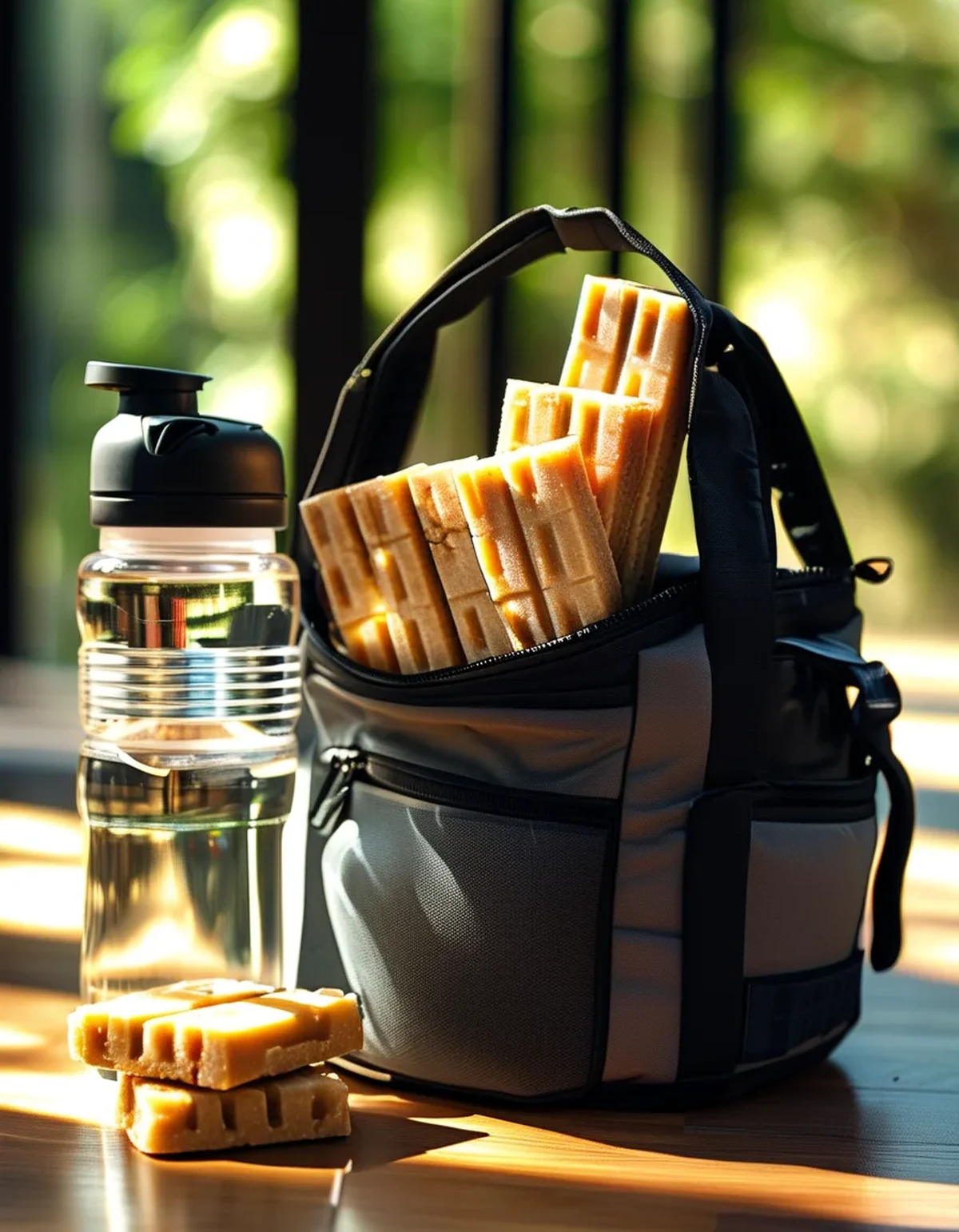
Cocoa butter, the primary fat in real chocolate, has a melting point close to human body temperature by design (so it melts pleasantly in the mouth), which also means it readily melts in a warm bag, car, or gym locker well below outdoor summer temperatures.
What makes compound coatings more heat-stable?
Compound coatings typically substitute a portion of cocoa butter with vegetable fats that have a higher melting point, trading some of real chocolate’s mouthfeel and flavor complexity for meaningfully better heat resistance during transport and storage, which is why many bars marketed as ‘travel-friendly’ use compound rather than pure chocolate coatings.
Does coconut oil in the bar itself cause melting too?
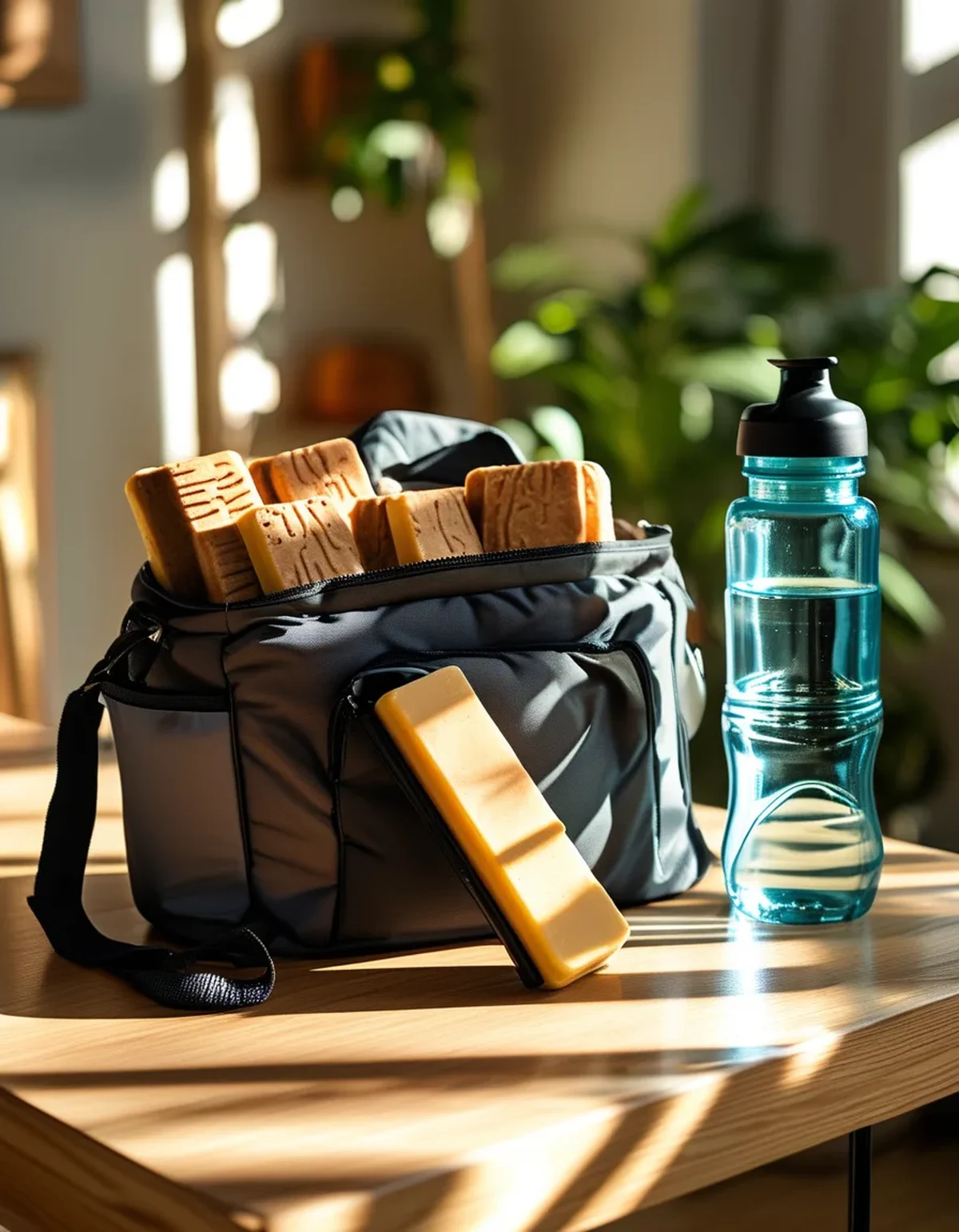
Yes — coconut oil, common as a binder in many protein and energy bars, has a relatively low melting point and can cause the bar’s interior to soften or become oily well before the coating shows obvious signs of melting, making it a less visible but real contributor to hot-weather bar degradation.
Are there specific storage habits that meaningfully help?
Keeping bars out of direct sunlight, avoiding leaving them in a hot car even briefly, and storing them toward the more insulated center of a bag rather than an outer pocket exposed to ambient heat all measurably reduce melting risk, particularly during warmer months.
Is a melted-then-resolidified bar still fine to eat?
Generally yes from a food safety standpoint, though texture usually changes noticeably after resolidifying — a fully melted bar that refreezes or re-hardens often develops a grainy or separated texture that wasn’t present originally, which is a quality issue rather than a safety one.
TL;DR:
- Real chocolate coatings melt near body temperature by design
- Compound coatings trade some flavor for meaningfully better heat resistance
- Coconut oil binders can soften a bar’s interior even before the coating melts
- Storage location within a bag matters as much as ambient temperature
Checking the ingredient list is a better predictor of melting behavior than the brand or packaging.
Keep Reading
This article is for general informational purposes only and is not medical advice. Always consult a qualified health professional for guidance specific to you.