Why Protein Bars Fail on Hikes and What Works Instead
Quick Answer: Protein bars fail on hikes because hiking is a sustained low-to-moderate effort that needs carbohydrate and water, and a high-protein, low-carb bar delivers the opposite. Protein also increases water demand during digestion, which is a real problem when your water is on your back. For hikes over two hours, aim for bars around 40 to 60g of carbohydrate with 8 to 12g of protein, and save the high-protein bar for the car afterwards.
You packed sensibly. Two protein bars, water, a jacket.
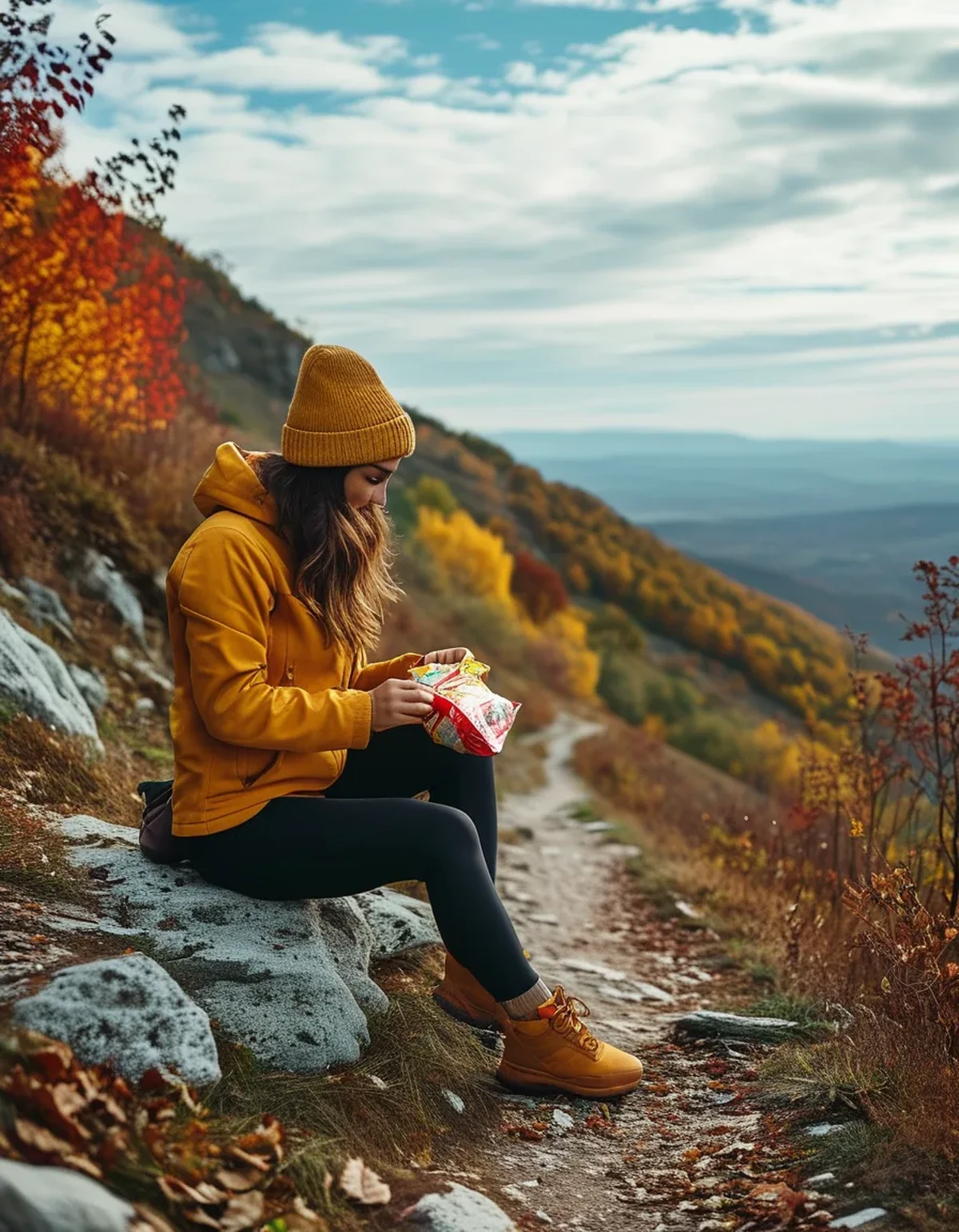
Three hours in you are sitting on a rock chewing something the texture of cold clay, weirdly thirsty, and still somehow hungry twenty minutes later.
The bar is not defective. It is a very good product designed for a completely different situation than the one you are standing in.
Why does hiking need something different from a gym snack?
Because the fuel demand has a different shape.
A gym session is short and intense. A hike is long and moderate — often three to six hours at an effort level you could hold a conversation at. That difference changes almost everything:
Carbohydrate is the limiting fuel. At moderate hiking intensity you burn a mix of fat and carbohydrate, and the carbohydrate portion comes from a limited store — roughly 1,500 to 2,000 calories’ worth of glycogen for most people. Once it runs low, everything feels heavy. Protein does essentially nothing to refill it.
You cannot eat much at once. Walking with a full stomach on uneven ground is unpleasant, so the workable pattern is small amounts often.
Water is finite. In the gym, more water is three metres away. On a trail it is on your back and it is heavy.
Temperature swings are large. A bar that was fine in a warm car is rock hard at a windy summit in October.
A protein bar was designed for none of this.
Why does a protein bar make you thirsty?
Two mechanisms, and they compound.
Protein metabolism produces nitrogen waste. Processing amino acids generates urea, which your kidneys excrete in urine — and that requires water. Higher protein intake genuinely raises water requirement.
Most protein bars are very dry and very dense. Low water content, high fibre and often sugar alcohols, all of which draw water into the gut. That is why a protein bar can leave you feeling both thirsty and slightly heavy.
On a hike where you are already losing water through sweat and through breathing dry air at altitude, adding a snack that increases water demand is working against yourself.
The practical consequence: people ration water after eating a protein bar because they know supplies are limited, and mild dehydration then makes the rest of the hike feel harder than it should.
What should actually be in a hiking bar?
Read the panel for these four things, in this order:
Carbohydrate: 40 to 60g. This is the number that matters and it is the one protein bars deliberately keep low. Oat-based, date-based and cereal bars all deliver this.
Protein: 8 to 12g. Enough to blunt hunger and support recovery, not enough to drive water demand up. This is roughly a third of what a protein bar contains.
Fat: moderate. Nuts and seeds slow digestion usefully on a long day, but a very high-fat bar sits heavy on a climb.
Sugar alcohols: as few as possible. Erythritol, maltitol and sorbitol are common in protein bars and can cause gut trouble under exertion — which is a serious problem an hour from the nearest anything.
Good hiking options: oat and date bars, flapjacks, fig rolls, trail mix, a peanut butter sandwich. Genuinely great option nobody packs: a handful of salted crisps alongside, because sodium replacement matters on long days and everyone forgets it.

What Nobody Tells You About Trail Snacks
Texture matters more than flavour in the cold. At 5°C, a chocolate-coated protein bar becomes almost unchewable, and coatings crack and shed. Oat-based bars stay pliable much further down the temperature scale.
Wrapper design decides whether you eat it. A bar you cannot open one-handed with gloves on stays in your pack. This sounds trivial and it genuinely determines intake on cold days.
Eat before you are hungry. On a long hike, hunger arrives after the performance drop, not before it. Small amounts every 45 to 60 minutes beats a big stop at the halfway point.
Salt is the missing variable. Most hiking snacks are sweet. On a four-hour day, especially in warm weather, sodium loss through sweat is meaningful, and sweet-only fuelling can leave you flat and headachy even when your calories are fine.
Your appetite lies at altitude. Above roughly 2,000m appetite drops noticeably, which makes pre-planned eating far more reliable than eating to hunger.
How does autumn hiking change the snack plan?
September and October are peak hiking season and the conditions genuinely shift what works.
Cold hardens bars. Anything with a chocolate or yoghurt coating goes brittle. Keep bars in an inside jacket pocket rather than the top of the pack — body heat keeps them chewable.
You feel less thirsty but lose similar water. Cold air blunts the thirst response while you continue losing water through breathing and sweat under layers. Dehydration on autumn hikes is more common than in summer precisely because nobody expects it.
Calorie demand rises. Maintaining body temperature in cold, wind and damp adds meaningfully to energy expenditure. Pack roughly 20% more food than a summer hike of the same distance.
Daylight is shorter. More hikes finish in fading light, and rushing the last hour is when tired legs make mistakes. Keeping fuel intake steady through the second half matters more in autumn than at any other time of year.
FAQ: Hiking Snack Questions, Answered
Is there ever a place for a protein bar on a hike?
Yes — at the end. A high-protein bar in the car at the trailhead is a genuinely good recovery snack, especially before a long drive home. It is a finishing food, not a fuelling one.
What about multi-day hikes?
Protein matters much more when you are hiking day after day, because you are actually rebuilding tissue overnight. On a multi-day trip, aim for adequate protein at camp meals and keep the on-trail snacks carbohydrate-led.
How much food per hour, roughly?
For moderate hiking, 30 to 60g of carbohydrate per hour after the first hour covers most people. That is one substantial bar or an equivalent handful of trail mix.
TL;DR:
- Hiking is a long, moderate, carbohydrate-limited effort, and protein bars are built for the opposite situation.
- Protein raises water demand through urea excretion, which is a real cost when your water is on your back.
- Aim for 40 to 60g carbohydrate and 8 to 12g protein, avoid sugar alcohols, and pack something salty.
- In autumn, keep bars warm in an inside pocket, pack about 20% more food, and drink on schedule rather than by thirst.
Save the protein bar for the car park. On the hill, the humble flapjack has been quietly winning this argument for a hundred years.
Keep Reading
This article is for general informational purposes only and is not medical advice. Always consult a qualified health professional for guidance specific to you.