3 Protein Bar Label Red Flags Marketing Wants You to Miss
Quick Answer: The front-of-package protein number means little without checking 3 things: sugar alcohols inflating the ‘net carb’ claim, protein quality (whey/casein/soy vs. collagen-heavy blends), and total sugar hidden under multiple names in the ingredient list.
The front of the wrapper says 20g protein and ‘low sugar.’ The back tells a different story most people never flip to read — and it’s the back that actually determines whether this bar belongs in your routine or your occasional treat drawer.

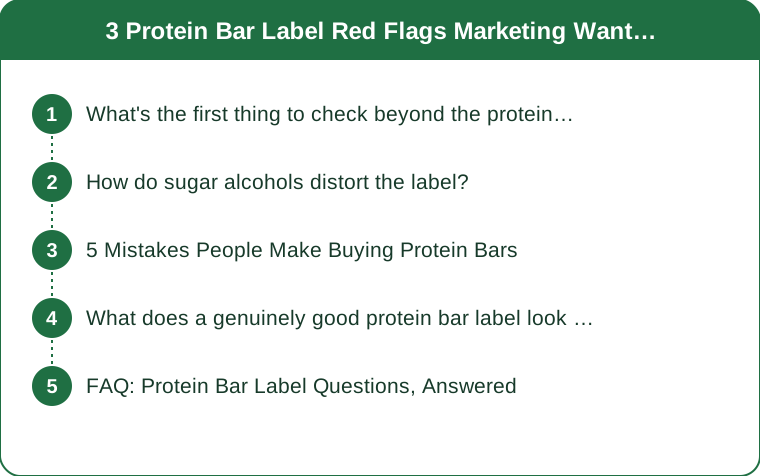
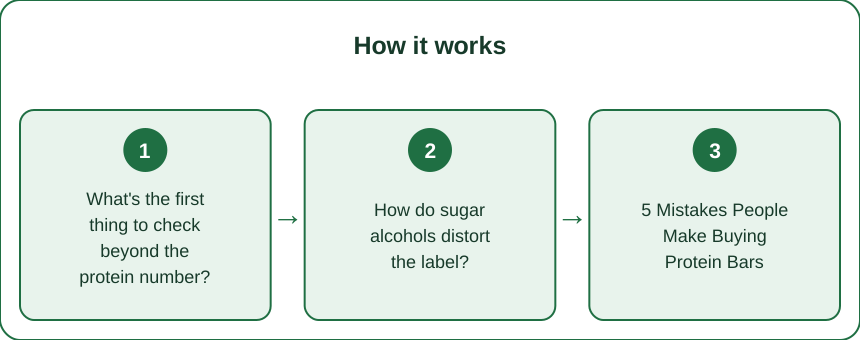
What’s the first thing to check beyond the protein number?
Protein source quality. Whey, casein, soy, and pea protein isolates provide a complete amino acid profile suited for muscle repair. Bars leaning heavily on collagen protein as a primary source look identical on the front label but provide a far less complete amino acid profile — collagen is popular for skin/joint marketing, not muscle-building nutrition.
Check the ingredient list order: protein sources listed first indicate they make up more of the bar; if collagen or ‘protein blend’ vagueness comes before named proteins, that’s worth noticing.
How do sugar alcohols distort the label?
Many bars advertise low ‘net carbs’ by subtracting sugar alcohols (like maltitol, erythritol, or sorbitol) from total carbs. Some sugar alcohols do cause digestive upset (gas, bloating) in meaningful doses, and the ‘net carb’ math itself is an industry convention, not an FDA-regulated term — actual metabolic impact varies by the specific sugar alcohol used.
If a bar advertises ‘3g net carbs’ but the nutrition panel shows 20g total carbohydrates, the gap is sugar alcohols — worth knowing before eating multiple bars in a day.

5 Mistakes People Make Buying Protein Bars
1. Trusting the front label number alone. Always check grams of protein against total calories — a good ratio is roughly 15g+ protein per 200 calories.
2. Ignoring added sugar under multiple names. Cane syrup, brown rice syrup, and dextrose are all still added sugar, just listed separately to look smaller individually.
3. Assuming ‘natural’ or ‘clean label’ means low sugar. These terms aren’t regulated definitions and say nothing about sugar or protein quality.
4. Not checking fiber content. A bar with under 3g fiber despite high carbs is closer to a candy bar’s digestive profile than a nutrition bar’s.
5. Buying based on flavor marketing alone. ‘Cookie dough’ and ‘brownie batter’ flavored bars often have the highest added sugar in a given brand’s lineup.
What does a genuinely good protein bar label look like?
15-20g+ protein from a named whole-protein source (not just ‘protein blend’), under 8-10g added sugar, 3g+ fiber, and a short, recognizable ingredient list. Bars meeting all four criteria exist across most major brands but require checking the back label every time, since front-label claims vary even within the same brand’s lineup.
A useful gut check: if the ingredient list reads more like a candy bar (multiple syrups, chocolate coating, caramel) than a food item, treat it as a treat, not a protein source, regardless of the protein gram count.
FAQ: Protein Bar Label Questions, Answered
Are protein bars with sugar alcohols bad for you?
Not inherently, but they can cause digestive discomfort in some people at higher doses (multiple bars per day) — moderation and individual tolerance matter more than avoidance.
Is a bar with 30g of protein always better than one with 15g?
Not necessarily — check the calorie and sugar cost of that extra protein, and consider whether you actually need that much protein in a single snack versus spread across meals.
Do collagen protein bars have any real benefit?
Collagen has some evidence for skin and joint support, but it’s a poor substitute for complete protein sources if muscle repair or satiety is your actual goal for the bar.
TL;DR:
- Check protein source quality — collagen-heavy bars look identical on the front but aren’t complete protein
- Sugar alcohols inflate ‘net carb’ claims; check total carbs on the actual panel
- Look for 15-20g+ protein, under 8-10g added sugar, and 3g+ fiber
- A candy-like ingredient list means treat it as a treat, regardless of the protein number
Flip the bar over before trusting the front — that’s where the real answer is.
Keep Reading
This article is for general informational purposes only and is not medical advice. Always consult a qualified health professional for guidance specific to you.