Why a Bar Labeled High-Protein Can Still Function Nutritionally Like a Candy Bar
A bar boasting twenty grams of protein on the front of its wrapper sounds like an automatic health win, but that single number says nothing at all about the sugar, fiber, or ingredient quality sitting right below it, and plenty of high-protein bars are nutritionally much closer to a candy bar than a whole food.

Why Protein Content Alone Says Nothing About the Rest
The gap: a-bars-protein-gram-count-is-calculated-and-labeled-completely-independently-of-its-added-sugar-content-fiber-content-or-overall-ingredient-quality (a bar’s protein gram count being calculated and labeled completely independently of its added sugar content, fiber content, or overall ingredient quality, meaning a high number on one axis implies nothing about any of the others, per the protein-bar-label-decoder-guide logic — a-bars-protein-gram-count-being-calculated-and-labeled-completely-independently-of-its-added-sugar-fiber-or-ingredient-quality-meaning-a-high-number-on-one-axis-implies-nothing-about-the-others), and the reframe (one favorable number coexisting freely with several unfavorable ones)).

Why Marketing Leans Hard on That One Number
The tactic: front-of-package-marketing-highlights-the-single-most-favorable-number-on-a-label-because-its-the-number-most-shoppers-actually-glance-at-before-buying (front-of-package marketing highlighting the single most favorable number on a label, specifically because it’s the number most shoppers actually glance at before making a quick decision to buy, per the protein-bar-buying-guide logic — front-of-package-marketing-highlighting-the-single-most-favorable-number-on-a-label-specifically-because-its-the-number-most-shoppers-actually-glance-at-before-buying), and the frame (the featured number being chosen for its marketing value, not its nutritional completeness)).
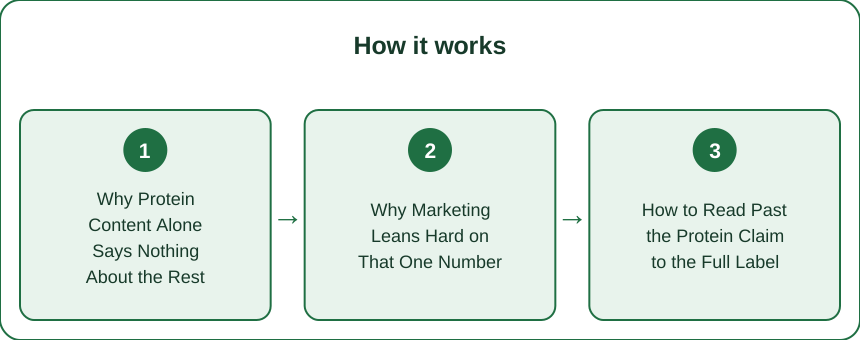
How to Read Past the Protein Claim to the Full Label
The check: flip-the-bar-over-and-check-added-sugar-and-fiber-grams-first-treating-the-front-of-package-protein-claim-as-a-marketing-headline-rather-than-a-verdict (flipping the bar over and checking added sugar and fiber grams first, treating the front-of-package protein claim as a marketing headline rather than a final verdict on the bar’s actual nutritional value, per the protein-bar-label-decoder-actual-red-flags-guide logic — flipping-the-bar-over-and-checking-added-sugar-and-fiber-grams-first-treating-the-front-of-package-protein-claim-as-a-marketing-headline-rather-than-a-final-verdict), and the frame (the back label, not the front claim, being where the real answer sits).
A bar’s protein gram count is calculated and labeled completely independently of its added sugar, fiber, or overall ingredient quality, so a high number on one axis implies nothing about the others, which is exactly why front-of-package marketing highlights that one favorable number since it’s what most shoppers glance at before buying. Flipping the bar over to check added sugar and fiber first, and treating the protein claim as a headline rather than a verdict, gets past the marketing to the label’s actual answer.
Keep Reading
This article is for general informational purposes only and is not medical advice. Always consult a qualified health professional for guidance specific to you.